









Results from real modernisation projects
The Results Speak for Themselves.
Real clients demonstrating real transformation with their aging web applications.
192% more claim submissions
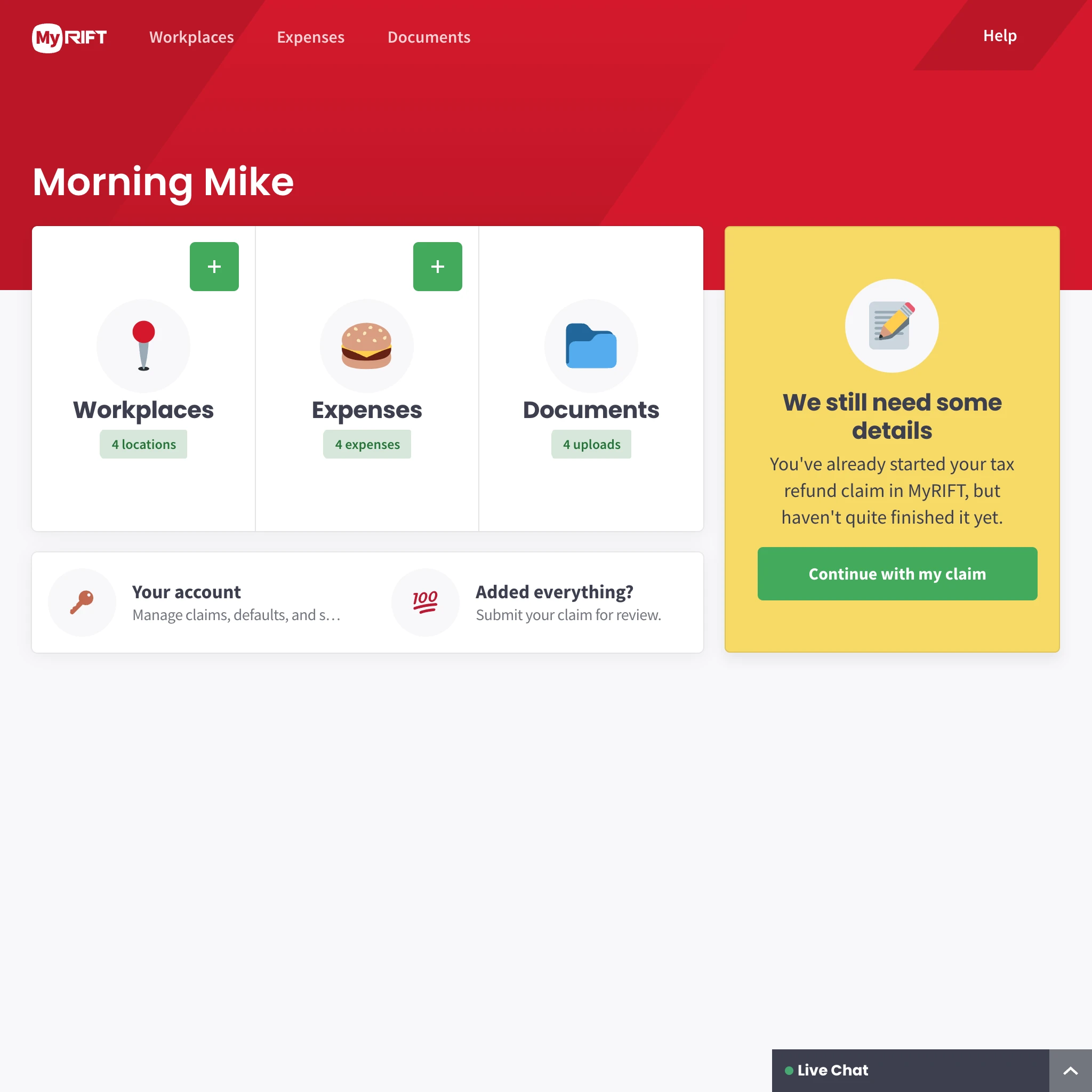
RIFT's tax refund platform was built on outdated Rails with a fragile codebase and duplicated customer data. We modernised the legacy system, transformed the self-service experience, and unified their data into a single API, driving claim submissions up 192%, unique sign-ins up 84%, and data accuracy above 99%.
“Develop practical modernisations to drive our business forwards”

£100M marketplace modernised
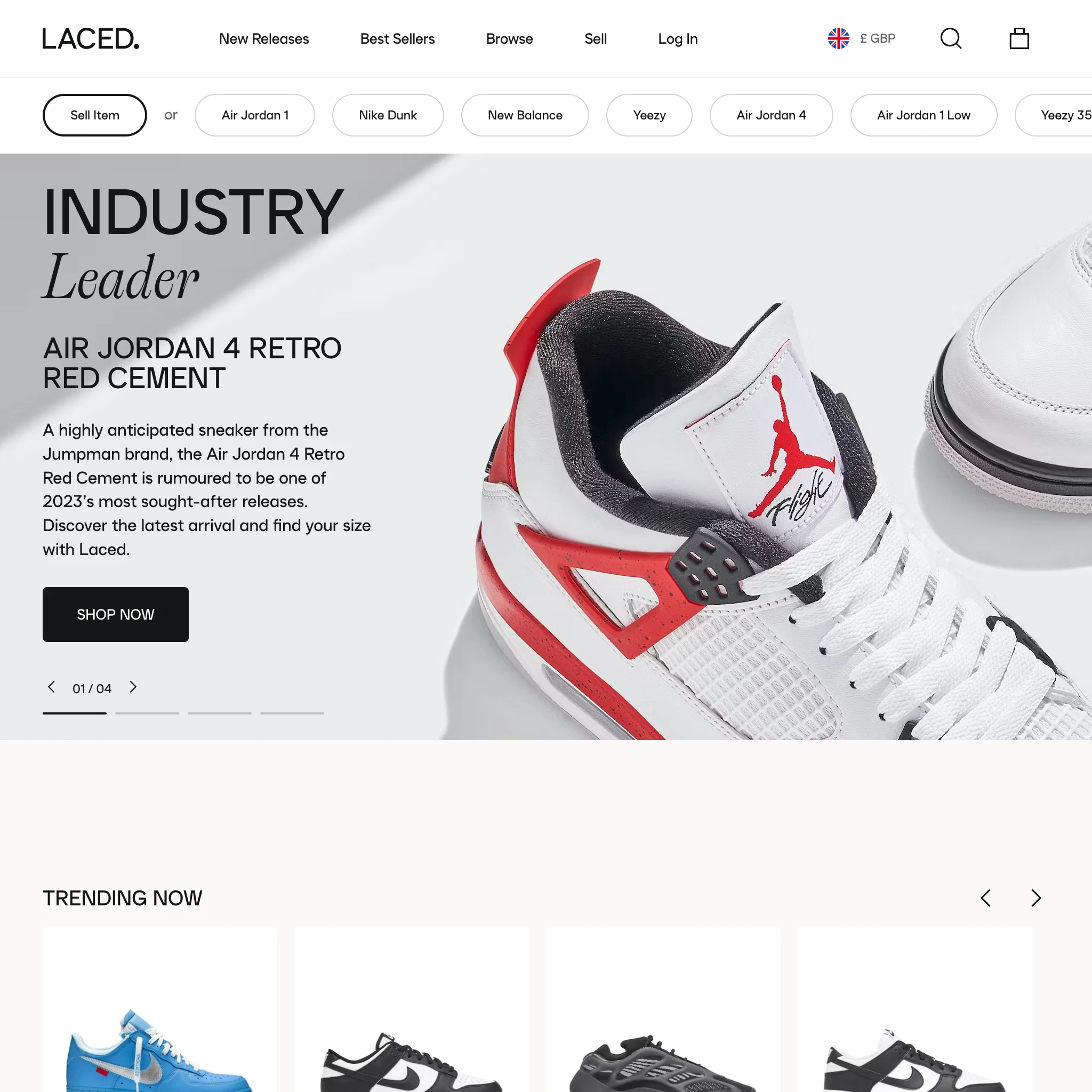
We helped build Laced's sneaker marketplace in 2018, but after £100M+ in sales the single-market system couldn't support European expansion. We modernised the legacy platform without downtime, and Laced now ships globally with full-site translation and localisation for multiple countries.
“Significantly reduced both our time and costs across multiple intricate projects”

Urgent rescue, ongoing partnership
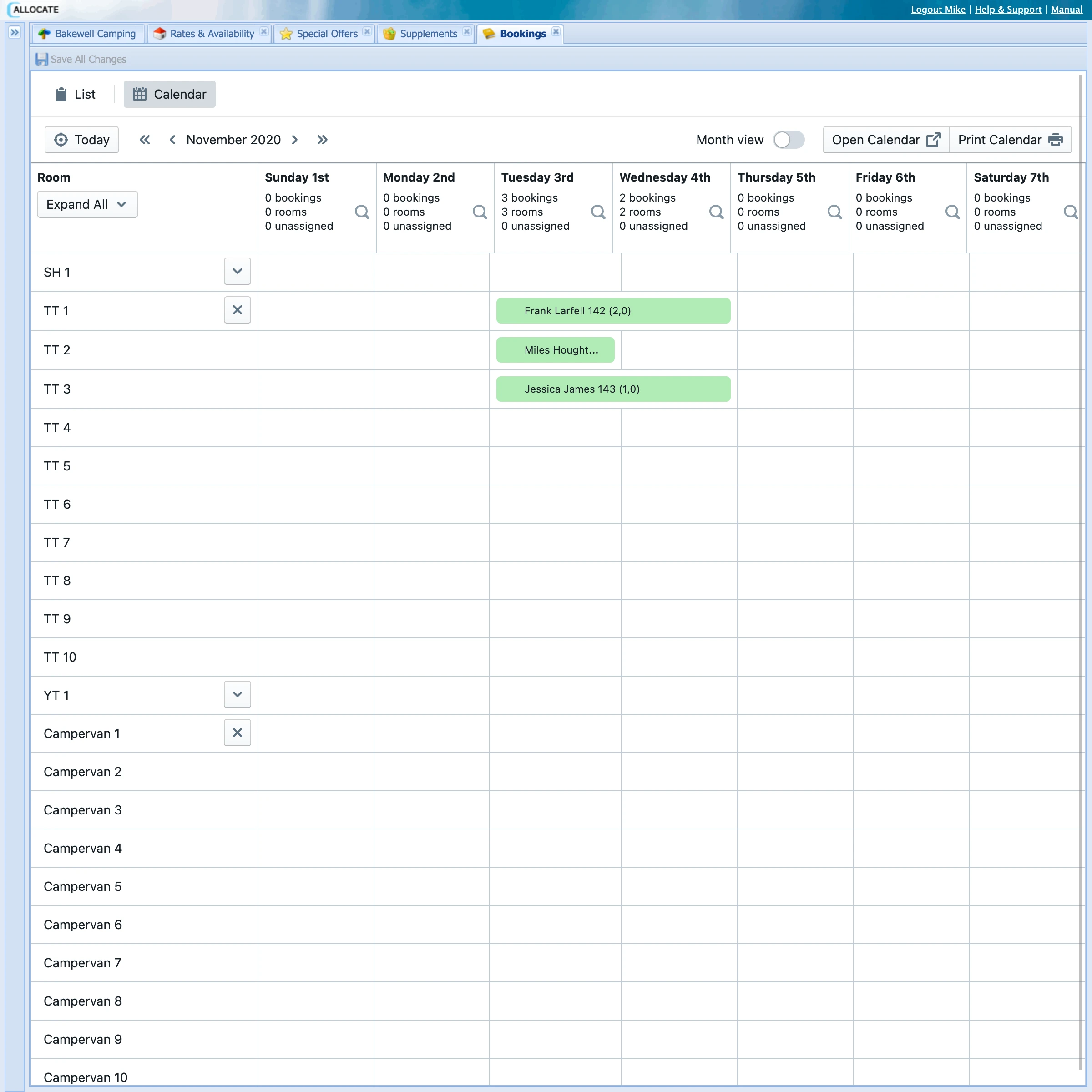
Allocate's lead developer vanished with no documentation, leaving dozens of Node.js and React services where fixing one bug broke another. We mapped and stabilised the legacy application, fixed critical issues hitting bookings and payments, and got deploys working safely again. That rescue turned into an ongoing partnership.
“Without assistance they methodically unravelled older web applications.”

How we modernise your application — four clear phases
Our legacy system modernisation process follows four distinct phases, designed to deliver value at every step with room to adjust.

Assessment
Understand what you have and what's holding you back.
Assessments are typically priced between £500 and £2,500 depending on the size and complexity of your codebase. You'll receive a detailed written report explaining what's wrong, what's working, and what to prioritise.
The assessment is a standalone engagement — there's no commitment to proceed. But if you do, you'll have a clear, prioritised roadmap to work from.

Stabilisation
Stop the bleeding, and get control over your system.
We fix the critical issues first: security vulnerabilities, performance bottlenecks, failing tests. This is the fastest part of legacy software modernisation — and the most important.
Once it's done, you're back in control. Your team can deploy with confidence, and your users stop hitting the problems that erode trust.

Modernisation
Incremental phased improvement. Not risky big-bang rewrites.
Using the strangler fig approach — gradually replacing old code with new, one piece at a time, so the application never goes offline — we upgrade frameworks, refactor the problem areas, and add capabilities.
Every change is deployed as a small, tested milestone. No big-bang releases, no downtime. This is how legacy application modernisation should work.

Ongoing Support
We're here as long as you need us.
Our work comes with 30 days of complimentary support and bug fixes. If something isn't right, we'll sort it — no questions asked.
After that, we offer ongoing options for performance monitoring, incremental improvements, and future feature development. We're there when you need us.
Want to see what your Phase 1 would look like?
 Tell us about your application
20 Years Of Experience
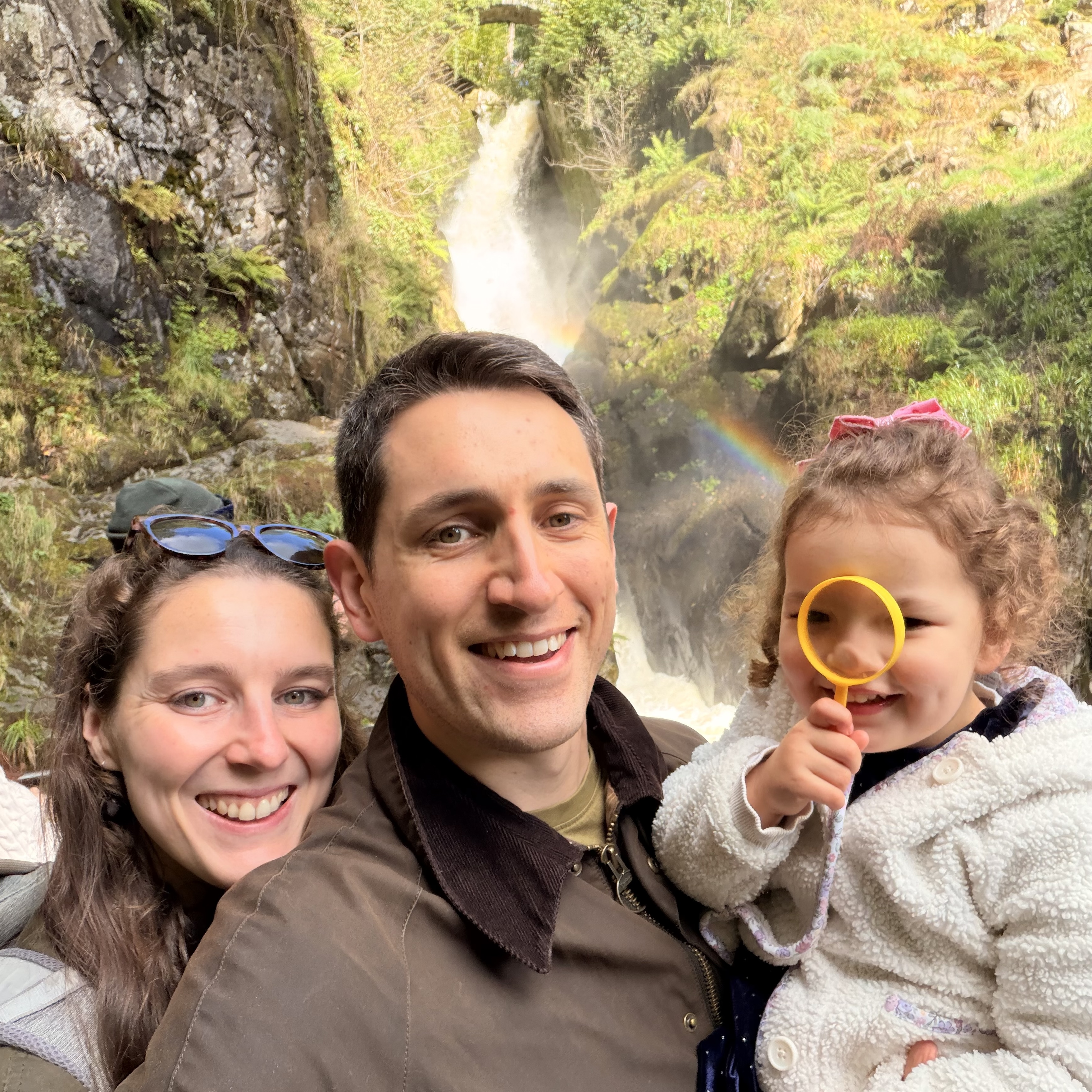
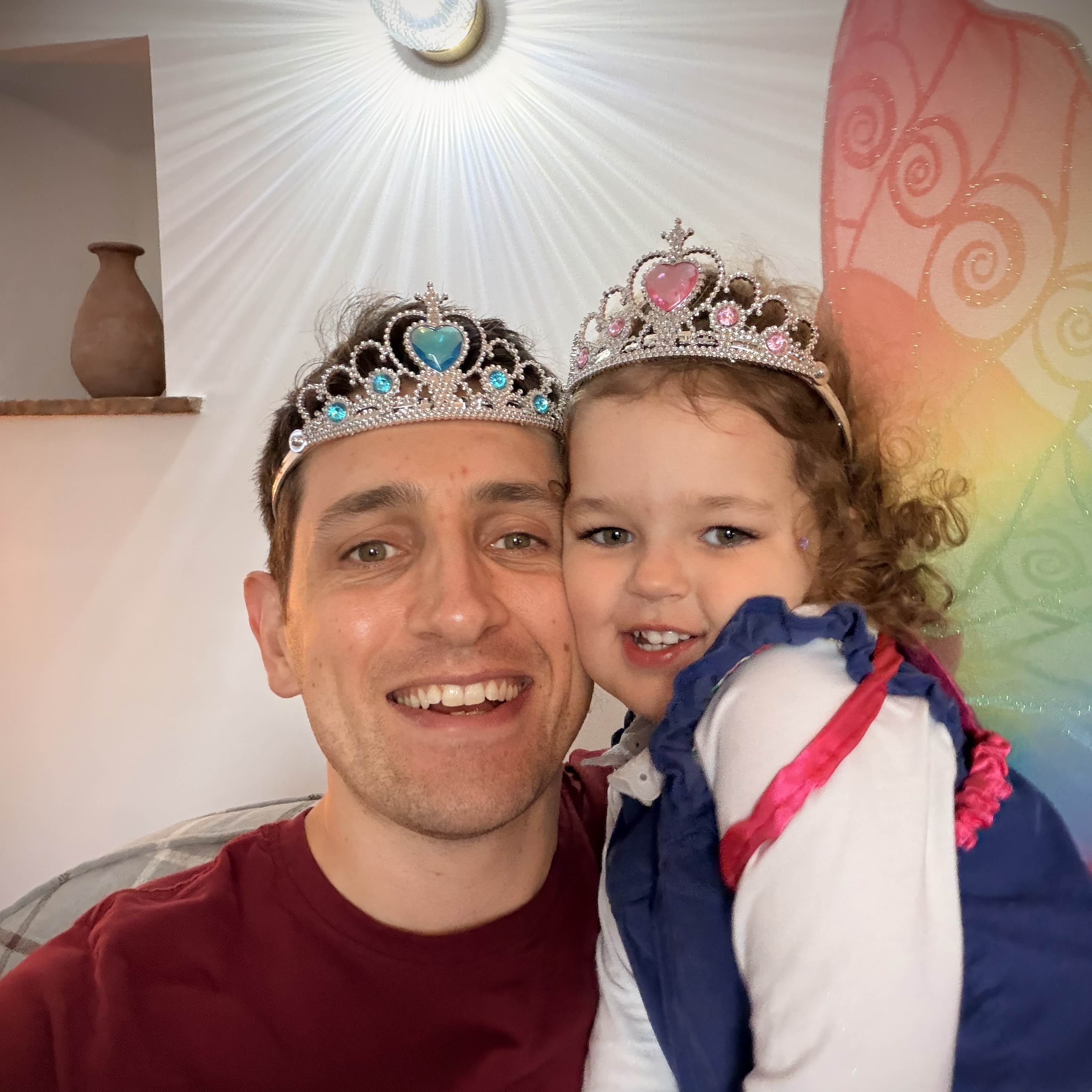
I'm Mike Carter, founder and lead consultant at BitBrawn. I've spent two decades working inside complex JavaScript and Ruby on Rails codebases, from early-stage startups to major UK organisations. I know what a legacy application looks like from the inside, and I know how to move it forward without breaking what works.
When you work with BitBrawn, you work directly with me. I lead every assessment, write the modernisation roadmap, and do the critical technical work myself. For larger projects, I bring in senior specialists I've worked with for years, each vetted on real legacy modernisation engagements. You'll always know exactly who is working on your code.
I built BitBrawn around a simple idea: SMEs deserve the same quality of technical thinking that large enterprises get, without the agency markup or the revolving door of junior developers. If your application is struggling, I'd genuinely like to help you get it back on track.

Common questions
Frequently Asked Questions.
Some of the common questions we get about rescuing and modernising aging web applications.
How much does legacy system modernisation cost?
It depends on the state of your codebase and what needs doing, but most projects land between £5,000 and £50,000. We’ll give you an honest estimate after an initial assessment.
How long does it take?
Stabilisation typically takes 4–8 weeks; full modernisation can run 3–6 months depending on scope. We break everything into milestones so you see progress and value throughout.
Can you modernise a system built by another agency?
Absolutely. We only require that the other agency is either not working on the system, or is willing to agree to give us complete autonomy to do our modernisation work.
What if our previous developer disappeared?
This is common. Our assessment process is designed for exactly this situation. We’ll document what exists and get you back in control.
What’s included in the free consultation call?
You'll get an initial sense of whether your project is a good fit for our approach, what the likely first steps would be, and a rough idea of timelines and cost. No pressure, no hard sell.
Do we need a full rebuild?
Usually not. We modernise incrementally, addressing the worst problems first while preserving what works. Full rebuilds are rarely necessary.
What technologies do you work with?
We specialise in Ruby on Rails, JavaScript and TypeScript applications — including React, Next.js, Node.js and Express. If your application is built on one of these, we're a strong fit. If you're not sure, mention it in your message and we'll let you know.
Can you charge a fixed price?
Yes. We prefer fixed pricing for project milestones because our clients prefer certainty. You'll know the cost of each phase before we start. We typically invoice 50% up front and 50% before go-live.
Will my application go offline during modernisation?
No. We deploy changes incrementally so your application stays live throughout. Your users shouldn't notice anything except that things start working better.
What does the assessment deliverable look like?
You'll receive a written report covering what's wrong, what's working, and a prioritised roadmap of recommended improvements. It's written in plain English, not jargon, so you can share it with stakeholders who aren't technical. The assessment is a standalone engagement — you're not committed to anything beyond it.
Do you work with companies outside the UK?
We primarily work with UK-based businesses, but we're open to working with companies elsewhere provided the time zones are compatible. We work remotely by default and are happy to meet in person when it makes sense.
Contact
Ready to get your application back on track?.
Tell us what's going on with your application. We'll reply within one business day with an honest assessment of whether we can help.





Tell us about your application
Have a question or want to discuss your project? Send us a message and we'll get back to you.
Other contact options
Not sure what to say? We’re happy to hop on a free 15 minute call to discuss rescuing your aging application. Alternatively, you can email us.
 Book a call