









Software working for you again
Stuck with legacy software that feels risky and expensive to change?
Our clients come to us with the same story: a business-critical web application has become too fragile to change, but too important to leave alone. We've transformed platforms processing over £100M in transactions, driven 192% increases in customer claim submissions, and brought codebases back from the brink when nobody else would touch them.
Whether you need legacy systems and software support to keep things stable, or a full modernisation programme to move forward, we'll give you an honest recommendation on what'll deliver the best return.
How our modernisation approach works
Our legacy system modernisation approach follows 4 clear steps — assess, stabilise, modernise, and provide ongoing legacy application support. Whether the original developer vanished or technical debt compounded until every release became a gamble, the result is the same: software you're back in control of.
What aging software is really costing your business
The Terrifying Cost of Legacy Applications.
When maintenance and modernisation on legacy software is deferred, costs begin to mount in unexpected ways.
Businesses spend 60–80% of their IT budgets keeping legacy systems going. Just like compound interest working against you, technical debt causes the cost of shortcuts to accumulate until making any change becomes so expensive it yields no return on investment. When every change takes weeks instead of days, competitors who ship faster will quickly gain an advantage. Without specialist legacy application support and a clear modernisation plan, that cost only accelerates.
The hidden impact on customer trust
The real losses go far beyond just development costs. If your web application breaks regularly, or has errors that keep resurfacing, you’re losing revenue and customer trust continually. We’ve seen companies bleed tens of thousands per month in lost business from issues related to their legacy systems. Our guide to modernisation costs breaks down what you should expect to invest.
As your legacy application ages, it will struggle to talk to the tools your business now depends on. Modern payment processors, CRM platforms and marketing automation will become unavailable to you, and you’ll be stuck running parallel systems and complex workarounds. That’s wasted time and wasted money, and it only gets worse with time and growth.
The hidden impact on staff retention
Legacy software affects your team, too. Your employees don’t want to work on slow, fragile, and unreliable systems to get their jobs done. They want tools that enable them to do their best work. If you’re struggling to hire, train and retain technical staff, your legacy systems could be a major contributing factor.
All of this deferred maintenance adds up. Lost revenue, lost time, lost customers, lost talent. The longer legacy software modernisation is put off, the higher the bill grows. The good news is you don’t have to live with this. If any of this sounds familiar, take a look at the signs your web application needs modernising — and what you can do about it.
The security risks you can’t ignore
Aging system dependencies carry known vulnerabilities, and if your application handles personal data, GDPR compliance isn’t something you can just put off. A breach doesn’t just cost you in fines. It costs you customers who will never come back. Legacy application modernisation addresses these risks before regulators or attackers force your hand.
How AI accelerates legacy modernisation
Technical Debt Just Got Cheaper To Fix.
AI doesn’t replace senior decision-making expertise, but it does remove the bottlenecks that made legacy system modernisation slow and expensive.




Codebase comprehension
Mapping codebase dependencies, tracing business rules, and identifying technical debt used to take weeks of manual archaeology.
AI has compressed this work dramatically by reading and mapping legacy codebases automatically. Thousands of lines of code can now be scanned and summarised automatically, with interactions and pitfalls highlighted for engineers to make decisions around.
What AI finds that manual reviews miss
Rather than just mapping code structure, AI traces how data flows through a system and surfaces the intent behind unusual business logic, explaining the edge case that prompted it. The result is comprehensive documentation the system has never had that gives us a complete picture before any changes begin.
Accelerated modernisation work
AI-assisted development, upgrades, and testing mean each phase of modernisation happens at a fraction of the previous cost and time.
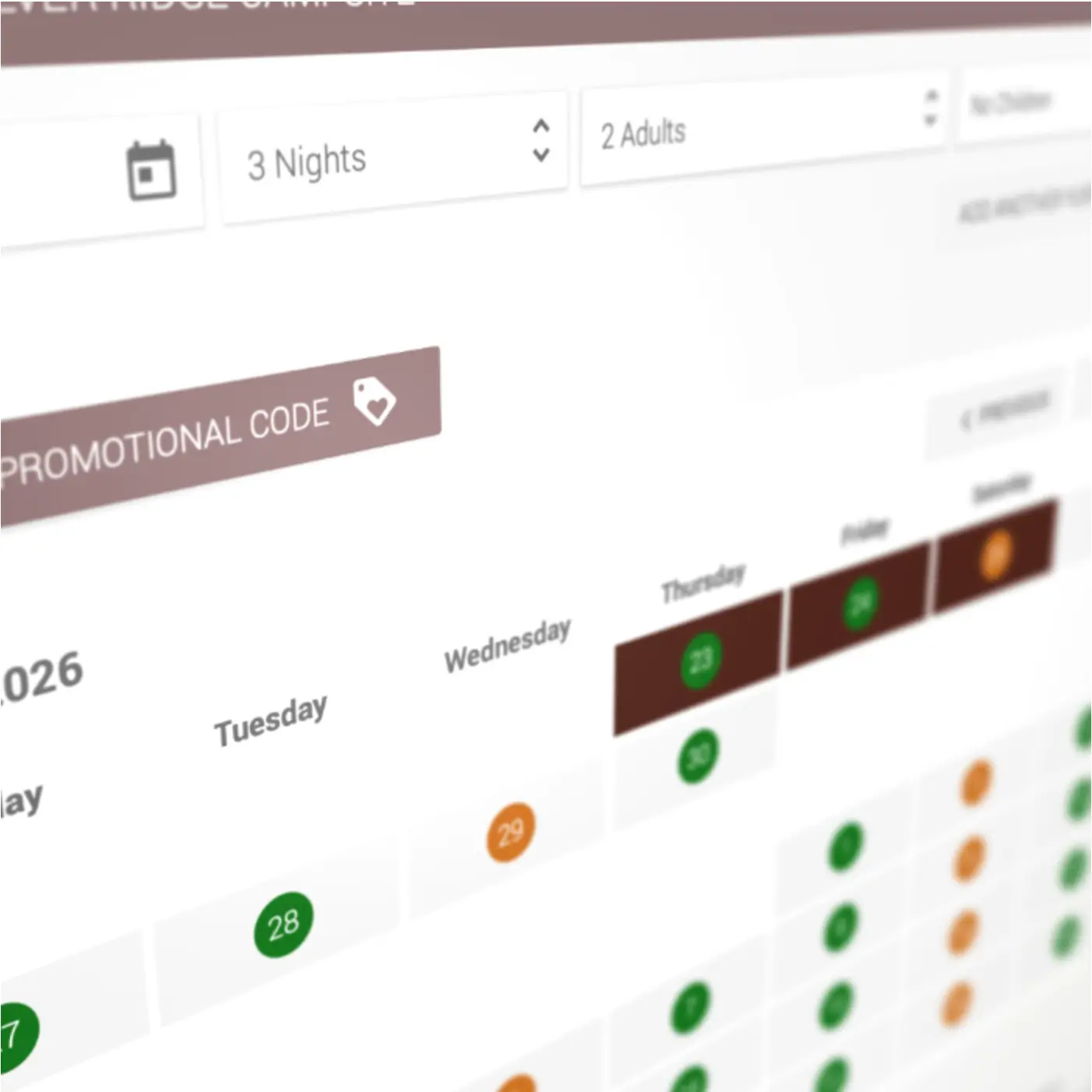
We recently added a feature to a hotel booking system that would have taken a week in 2024, but now took just three hours. Added to this, AI development tools make generating automated tests and updates to documentation trivial, leading to compounding benefits for the future.
How AI-assisted refactoring works in practice
AI can’t generate great code blindly. A senior developer guides the tools, making architectural decisions about what to modernise and how, while AI handles the mechanical work of rewriting, testing, and documenting. Framework upgrades that once took days can be completed in hours with AI assistance, and every change comes with the automated tests needed to verify it works correctly.
Projects that weren’t viable before
The most compelling shift for SMEs is that tangled codebases which were too expensive to modernise are now affordable.
This is because AI has changed the underlying economics of legacy software modernisation. A project that would have been quoted at £80,000 over six months might now be achievable for a quarter of that. No more betting the farm on a risky rewrite.
Why the risk calculus has changed
The traditional objection to legacy system modernisation was always cost and risk. What if we break something critical? What if the budget runs out before the work is done? AI addresses both directly - better upfront analysis means fewer surprises, automated testing means safer changes, and faster execution means lower overall exposure. Projects that used to be too risky to attempt are now the ones with the strongest return on investment.
What is Legacy System Modernisation?.
It’s not about starting over — it’s about making what you have work harder, last longer, and grow with your business.
Legacy system modernisation is the process of updating outdated software applications so they meet current business needs, without replacing everything from scratch.
For a complete breakdown of what it involves, the different approaches, and how to decide what’s right for your business, read our comprehensive guide to legacy system modernisation.
This service is built for a specific type of business
We Work With Specific Businesses and Technologies.
Our ideal client is a small or medium sized enterprise with an aging Ruby or JavaScript application that’s causing them pain.





Why we specialise in Ruby and JavaScript modernisation
Specialising means we’ve seen these problems before, and we can start making meaningful progress from week one.
As a specialist legacy software rescue consultancy, we work exclusively with SMEs whose applications are built with Ruby, JavaScript or TypeScript (Rails, React, Express, Next.js and similar). That narrow focus is deliberate. It means we bring hard-won experience with the exact tools and patterns your application is built on.
We’re perfect for you if
- You’re a small or medium sized enterprise (SME), or you have a high degree of agency within a larger organisation.
- You have a Ruby or JavaScript based software system that’s become slow, fragile or otherwise expensive to maintain.
- Your original developer or agency has moved on, and nobody wants to touch the system.
- You want to improve your application while keeping it running, and without starting from scratch.
- You want to work closely with adept senior specialists, rather than a non-technical project manager and their team.
Why we might not be right for you
We’ve chosen to work with the businesses we deliver the best results for. If your business is very large, or you’re not building primarily in Ruby or JavaScript, we’re probably not the right fit.
We’re not the right fit if
- You’re the kind of organisation where every small change requires layers of sign-off and coordination meetings.
- The legacy application you’d like to modernise is not primarily JavaScript or Ruby based.
- You want to replace your legacy system with a brand new application built from scratch rather than modernisation.
- You’re just looking for an extra pair of hands to supplement your development team rather than true modernisation expertise.
- You’re not comfortable working with a UK-based business.
Calm, measured and pragmatic
“BitBrawn have been brilliant for RIFT; they have led numerous successful web application development projects, and their calm, measured and pragmatic approach immediately instils confidence. They understand the business issues we’re trying to solve and develop practical modernisations to drive us forwards.”
How we modernise your application — four clear phases
Our legacy system modernisation process follows four distinct phases, designed to deliver value at every step with room to adjust.

Assessment
Understand what you have and what's holding you back.
Assessments are typically priced from £500 depending on the size and complexity of your codebase. AI tools help us map your system's dependencies and extract business rules in days rather than weeks. You'll receive a detailed written report explaining what's wrong, what's working, and what to prioritise.
The assessment is a standalone engagement — there's no commitment to proceed. But if you do, you'll have a clear, prioritised roadmap to work from.

Stabilisation
Stop the bleeding, and get control over your system.
We fix the critical issues first: security vulnerabilities, performance bottlenecks, failing tests. This is the fastest part of legacy software modernisation — and the most important.
Once it's done, you're back in control. AI-generated test suites verify that existing behaviour is preserved, so your team can deploy changes with confidence and your users stop hitting the problems that erode trust.

Modernisation
Incremental phased improvement. Not risky big-bang rewrites.
Using the strangler fig approach — gradually replacing old code with new, one piece at a time, so the application never goes offline — we upgrade frameworks, refactor the problem areas, and add capabilities. AI-assisted development tools accelerate each step, from translating legacy patterns to generating the tests that verify the changes.
Every change is deployed as a small, tested milestone. No big-bang releases, no downtime. This is how legacy application modernisation should work.

Ongoing Support
We're here as long as you need us.
Our legacy application support includes 30 days of complimentary bug fixes from go-live. If something isn't right, we'll sort it — no questions asked.
After that, we offer ongoing options for performance monitoring, incremental improvements, and future feature development. AI-generated documentation means your system is better documented after modernisation than it ever was before, reducing dependence on any single developer.
Want to see what your Phase 1 would look like?
 Get in touch for a free assessment
Results from real modernisation projects
The Results Speak for Themselves.
Just a few of the numerous legacy application modernisation projects we’ve been a part of. Real clients demonstrating real transformation.
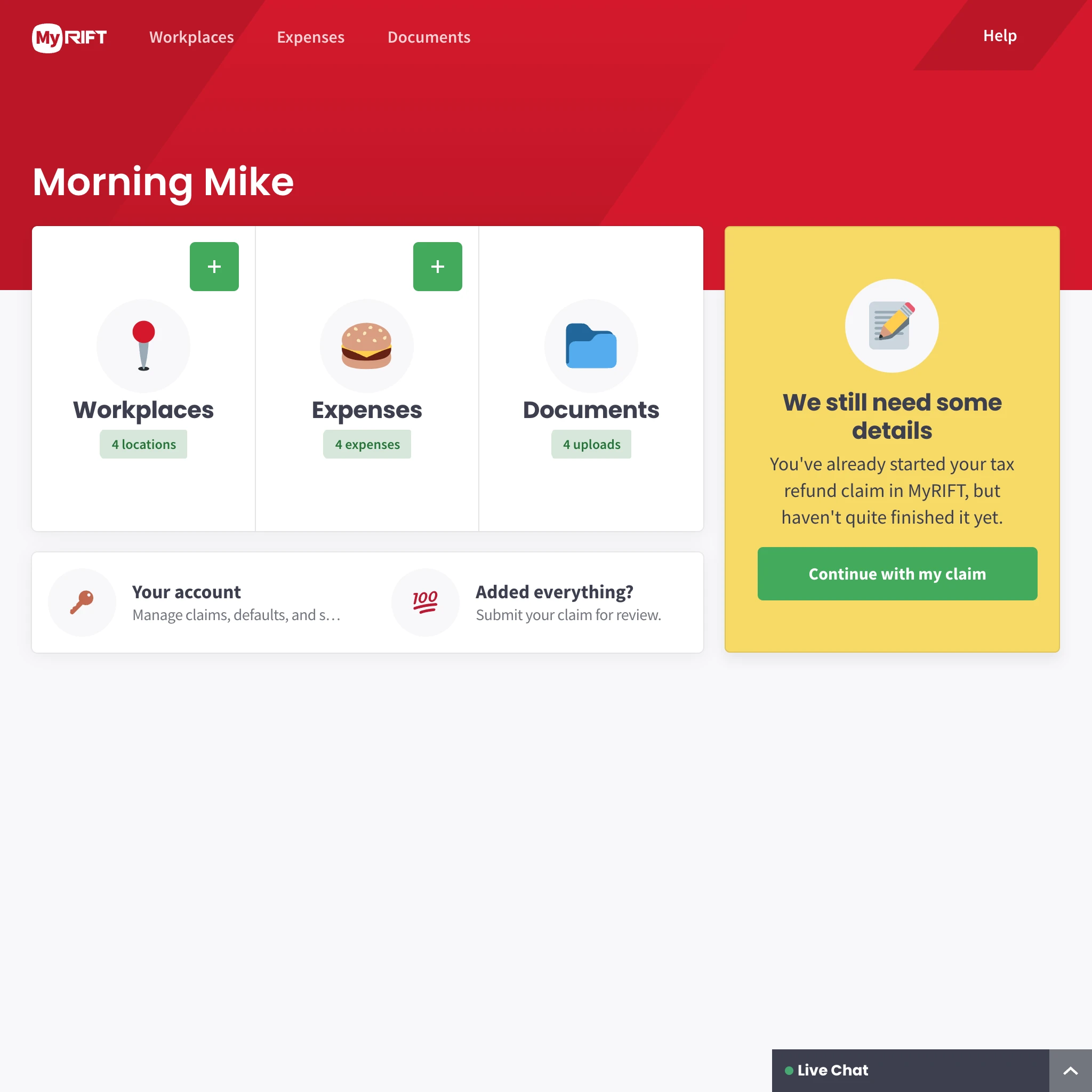
192% more claim submissions
RIFT's tax refund platform was built on outdated Rails with a fragile codebase and duplicated customer data.
We modernised the legacy system, transformed the self-service experience, and unified their data into a single API. Claim submissions up 192%, unique sign-ins up 84%, and data accuracy above 99%.
Their calm, measured and pragmatic approach immediately instils confidence. They understand the business issues we're trying to solve.

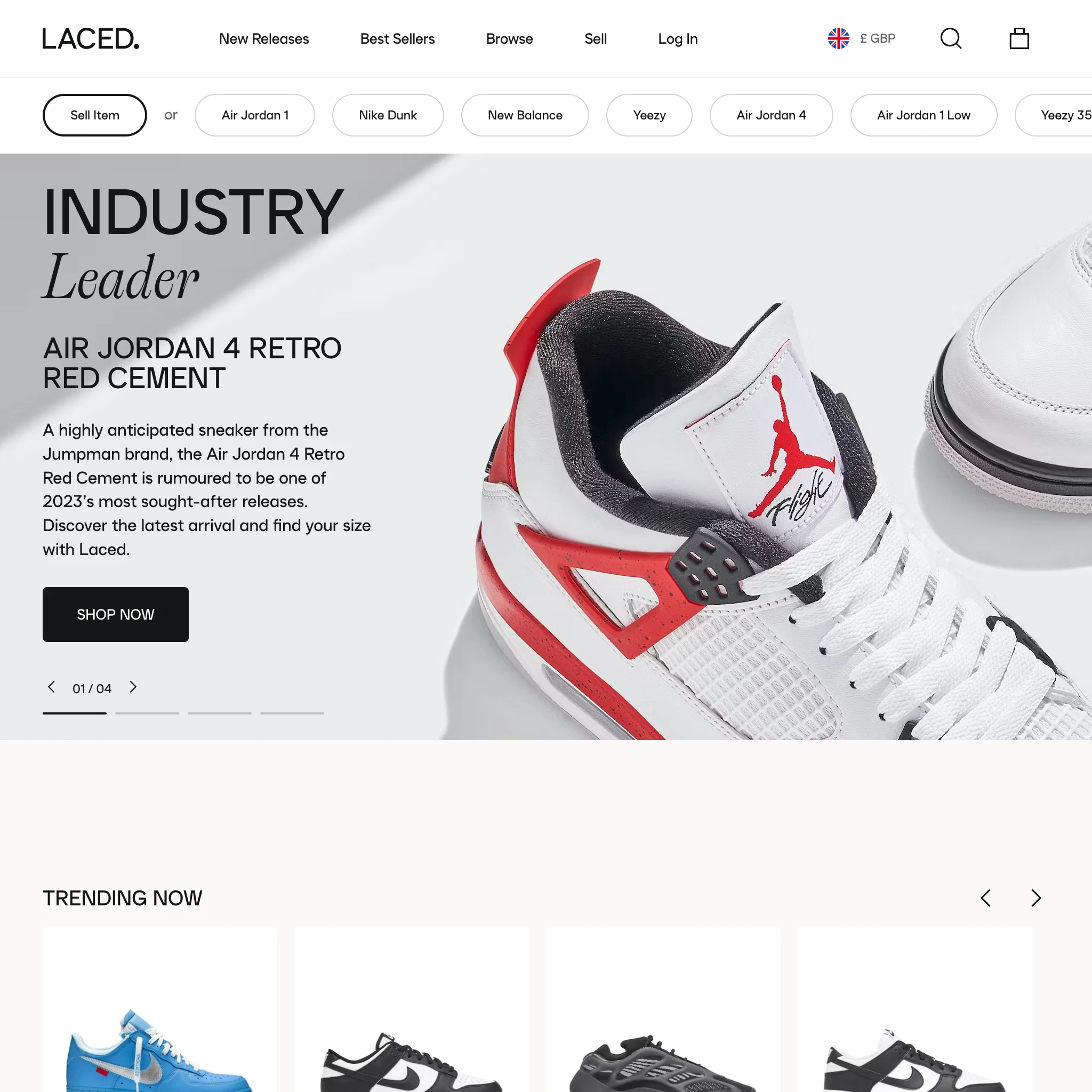
£100M marketplace modernised

Laced's sneaker trading platform needed European expansion, but the team's effort was heading in the wrong direction.
We halted two costly rewrites, redirected the engineering team, and guided delivery of multi-currency pricing, cross-border shipping, and full internationalisation - all on a live platform, on deadline.
BitBrawn were pivotal in developing our bespoke web application. After its launch, they provided crucial support as our business scaled.

From crisis to yearly revenue growth
Allocate's lead developer left abruptly, leaving dozens of undocumented Node.js and React services to maintain.
We stabilised the platform, got it deploying safely multiple times a week, and turned declining revenue into year-on-year growth. That rescue turned into an ongoing partnership.
Without assistance they methodically unravelled older web applications in order to understand their structure. Their expertise has been invaluable.

Want results like these?
Let's talk about your applicationCommon questions about legacy system modernisation
Frequently Asked Questions.
Some of the common questions we get about rescuing and modernising aging web applications from customers.
How much does legacy system modernisation cost?
It depends on the state of your codebase and what needs doing, but most projects land between £5,000 and £50,000. We’ll give you an honest estimate after an initial assessment. Our full legacy system modernisation cost guide breaks down pricing by approach.
How long does it take?
Stabilisation typically takes 4–8 weeks; full modernisation can run 3–6 months depending on scope. We break everything into milestones so you see progress and value throughout.
Should I rewrite or refactor my legacy app?
Almost always refactor. Rewrites sound tempting but they’re expensive, risky, and take far longer than anyone expects. Incremental improvement gets you there without betting the business on it.
What are the signs my web app needs modernising?
If changes take forever, bugs keep appearing in unexpected places, or your team is afraid to touch certain parts of the codebase — it’s time. Security warnings you can’t address are another red flag.
Do you use AI in your modernisation work?
Yes. We use AI-assisted development tools throughout the legacy system modernisation process, from initial codebase analysis through to refactoring and test generation. AI doesn’t replace the senior expertise needed to make sound architectural decisions, but it dramatically accelerates the parts of modernisation that used to be slow, expensive, and manual. The result is faster timelines, lower costs, and projects that are viable now that weren’t before.
Will AI just rewrite our codebase automatically?
No, and you should be wary of anyone who claims it will. AI is exceptional at analysing code, generating tests, and accelerating refactoring, but it can’t make the strategic decisions about what to modernise, in what order, and how to structure the result. Those decisions require experience with real legacy systems. We use AI as a force multiplier for senior expertise, not as a replacement for it.
What is the Strangler Pattern?
It’s a technique for replacing legacy systems piece by piece rather than all at once. You build new functionality alongside the old, gradually routing traffic to the new code until the legacy parts can be safely removed.
What happens after I get in touch?
We'll review what you've told us and reply within one business day with an honest take on whether we can help, what the likely first steps would be, and a rough idea of cost. No pressure, no hard sell.
Will my application go offline during modernisation?
We deploy changes incrementally and use blue-green deployments where appropriate. Your users shouldn’t notice anything except that things start working better.
Can you modernise a system built by another agency?
Absolutely. We only require that the other agency is either not working on the system, or is willing to agree to give us complete autonomy to do our modernisation work.
What’s the difference between modernisation and digital transformation?
Modernisation is about improving one or more software systems. Digital transformation is about replacing human systems with software. Legacy system modernisation may be a key part of a digital transformation strategy, though.
Can you charge a fixed price?
Yes. We prefer to charge a fixed price for project milestones, because our clients prefer certainty. We usually invoice on a 50% up-front, 50% prior to go-live basis.
Do you offer support?
Our work comes with 30 days of complimentary bug fixes and support from the point it goes live. Outside of this, support can be negotiated on a per-engagement basis.
What if our plans change?
Our milestone-based approach means we can adjust the scope of the project as needed. We can negotiate something new or cancel milestones. Cancellations will mean no deliverables from us, and no 50% final payment for you.
Will you come to our offices?
Yes — We primarily work remotely, but we’re happy to be with you in-person when it makes sense to do so. This can be factored into the scope of your project, or billed for at an hourly rate.
Are you the right size for us?
Where necessary, we can pull in additional resource from a network of trusted associates (skilled designers, developers, and subject matter experts) to keep things running smoothly.
What if our codebase is a mess?
This is our speciality. We’ve inherited plenty of undocumented, fragile codebases. We’ll assess what you have and give you an honest picture of the work required.
Do we need a full rebuild?
Usually not. We modernise incrementally, addressing the worst problems first while preserving what works. Full rebuilds are rarely necessary.
What if our previous developer disappeared?
This is common. Our assessment process is designed for exactly this situation. We’ll document what exists and get you back in control. Our guide on what to do when your developer leaves covers the immediate steps.
How do you handle data security and NDAs?
We take data security seriously and are happy to sign NDAs before any work begins. We follow secure development practices, limit access to what’s necessary, and can work within your existing security policies. If you have specific compliance requirements, raise them early and we’ll make sure we’re aligned.
What technologies do you work with?
We specialise in Ruby on Rails, JavaScript and TypeScript applications — including React, Next.js, Node.js and Express. If your application is built on one of these, we’re a strong fit. If you’re not sure, mention it in your message and we’ll let you know.
Do you work with companies outside the UK?
We primarily work with UK-based businesses, but we’re open to working with companies elsewhere provided the time zones are compatible. We work remotely by default and are happy to meet in person when it makes sense.
Still have questions? We’re happy to answer.
Get in touchContact
Got a web application that needs modernising? Let's talk.
Tell us what's going on with your application. We'll reply within one business day with an honest assessment of whether we can help.
Tell us about your application
Not sure what to say? Just tell us what's going wrong — we'll take it from there.
Prefer to talk or email?
We're happy to hop on a free 15 minute call to discuss rescuing your aging application. Alternatively, you can email us.
 Book a call